Understanding Luck in Casino Games
Luck is an integral component of many casino games, often influencing the outcome more significantly than players might realize. Unlike skill-based games, where player decisions can impact results, luck-based games rely on chance. For instance, in games like slots or roulette, the results are determined by random number generators or spinning wheels, leaving players with little to nothing they can do to influence the outcome. Many also enjoy trying their luck on the best australian online pokies available, as a result, the unpredictability and excitement of these games draw many players looking for a thrilling experience.
The role of luck creates a unique atmosphere in casinos, where anticipation builds with every roll of the dice or shuffle of the cards. This element of chance can lead to significant wins, which is often what keeps players returning to the casino floor. However, it’s important to note that while luck can result in sudden payouts, it can also lead to losses when fortunes change swiftly. Understanding the concept of luck helps players maintain a balanced perspective about their gambling experiences and manage their expectations accordingly.
In summary, luck plays a vital role in many casino games, particularly those where outcomes are random. Players find excitement in the unpredictable nature of these games, often leading them to chase that next big win. Importantly, recognizing the role of luck can nurture a healthier attitude toward gambling, steering players towards responsible gaming practices while enjoying the thrill of chance-based games.
The Role of Skill in Casino Games
In contrast to luck, skill-based games require a level of strategy and decision-making that can significantly influence the game’s outcome. Poker is a prime example of a skill-based casino game, where players must not only understand the odds but also read their opponents and make calculated decisions based on available information. The ability to bluff, manage a chip stack, and adjust strategies depending on the flow of the game can often determine success more so than the cards themselves.
Skill can also extend to games like blackjack, where players employ strategies such as card counting to gain a statistical advantage. While the house always has an edge, skilled players can reduce this edge and increase their chances of winning over time. This makes skill-based games appealing to those who prefer to rely on their abilities and knowledge rather than pure chance, fostering a sense of control over their gaming experience.

Ultimately, in skill-based games, the more a player practices and develops their skills, the higher their potential returns. This appeal to improve and evolve as a player creates an engaging challenge, differentiating these games from those founded solely on luck. Players often find a sense of satisfaction in strategically navigating their choices, demonstrating that skill can play an equally crucial role in the casino gaming landscape.
Comparing Luck and Skill
The ongoing debate about luck versus skill in casino games often leads players to reassess their strategies and gaming approaches. While games of chance offer immediate excitement and potential rewards, skill-based games provide an opportunity for players to engage deeply with the mechanics of the game. Analyzing outcomes in both categories highlights how various casino offerings appeal to different types of players.
One important factor in this comparison is the time horizon of gameplay. In the short term, luck plays a more significant role, as results can vary wildly due to the randomness of games like slots. However, in the long term, skill holds more weight, particularly in games where strategy can be applied. Experienced players can often outperform novices by leveraging their understanding of odds and game dynamics, showcasing that skill can lead to sustainable success.
Ultimately, the interplay between luck and skill emphasizes the diverse nature of casino games. Players gravitate toward experiences that resonate with their preferences, whether that be the spontaneous thrill of chance or the strategic depth of skill. Recognizing where they fall on this spectrum enables players to tailor their approach, finding enjoyment in games that suit their personality and gaming philosophy.
Strategies for Balancing Luck and Skill
Players seeking to navigate both luck and skill in casino games can adopt various strategies to optimize their gaming experience. First and foremost, understanding the type of game being played can direct decisions on how to approach it. Games like slots or lottery are inherently luck-driven, suggesting that players should set strict limits on how much they are willing to spend, treating it more like entertainment than investment.
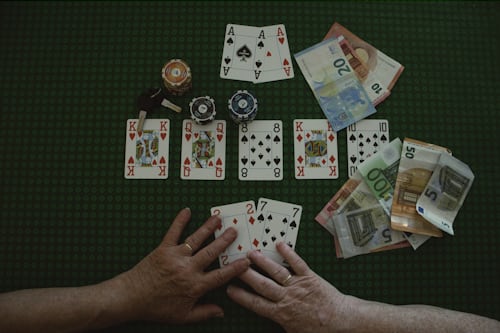
Conversely, in skill-based games, players should focus on honing their techniques and strategies. Regular practice, studying game theory, and learning from more experienced players can greatly influence outcomes in games like poker or blackjack. Furthermore, engaging with online tutorials or strategy guides can provide valuable insights, empowering players to make informed choices in their gameplay.
In conclusion, balancing luck and skill involves knowing when to embrace the randomness of chance-based games and when to apply strategy in skill-based games. Developing a versatile approach helps players mitigate risks while enjoying the full spectrum of gaming experiences available at the casino. Ultimately, fostering a healthy understanding of both elements can lead to more rewarding and satisfying gaming sessions.
The Importance of Awareness in Casino Gaming
Awareness of the roles of luck and skill in casino games is crucial for players who want to enhance their overall experience. Many newcomers may enter the casino excited about the potential for big wins without fully understanding the underlying dynamics of each game. By cultivating a deeper understanding of how luck impacts certain games while recognizing the importance of skill in others, players can make more informed decisions and set realistic expectations.
This awareness also extends to recognizing the psychological aspects of gambling. Players often chase losses or become overly confident after a win, which can lead to poor decision-making. By being mindful of the balance between luck and skill, players can establish a healthier relationship with gambling, promoting responsible gaming practices and reducing the risk of developing problematic behaviors.
Moreover, a well-rounded awareness can enhance social interactions in the casino environment. Understanding how luck and skill operate can lead to more engaging conversations with fellow players, fostering a communal atmosphere where experiences and strategies are shared. This not only enriches the gaming experience but also builds camaraderie among players who appreciate the complexities of casino gaming.

Recent Comments